Kasenda Crater Lakes – Enjoy Uganda Safari’s Hidden Volcanic Gem
On a safari to Uganda, you get to enjoy many rare attractions; you are limited only by how much time you have. Kasenda Crater Lakes are just one of the range of attractions nestled in the scenic hills of western Uganda near Kibale Forest National Park, the home of primates with a count of over 13 primate species. The Kasenda Crater Lakes are one of the country’s most captivating natural landscapes with breathtaking volcanic crater lakes numbering to 50 lakes packed in one location. What is more is that each lake is uniquely shaped and colored by ancient volcanic activity, mineral content, and surrounding vegetation. Some lakes shimmer in deep blues and greens, while others appear emerald or copper-toned, creating a dramatic and ever-changing panorama, the perfect spot for visitors seeking soft adventure and relaxation.
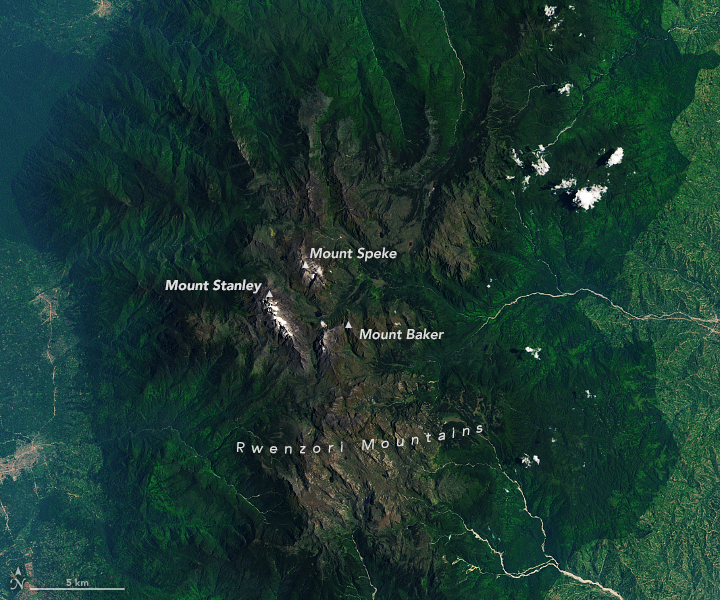
The kasenda crater lakes have a very captivating and natural beauty-set against the backdrop of the Rwenzori Mountains surrounded by lush forests, rolling hills, and traditional villages, which offers visitors a natural authentic and cultural encounters.
Location
Kasenda Craters lakes are located in Kibale Forest Forest National Park in the Western Uganda part of Uganda, 20 minutes drive from Fort Portal making it a better safari addon to chimpanzee trekking safaris, and safari to Semliki Valley National Park, Rwenzori National Park and Queen Elizabeth National Park. And activities that you can do include the guided nature walks and hikes between crater lakes, bird watching, community visits, scenic viewpoints, and peaceful moments by the water’s edge. You get to your guide can advise what lake in particular to explore, for example Lake Nkuruba offer opportunities for swimming and canoeing in a serene setting whereas some lakes don’t.
Visiting Kasenda crater lakes is got to be an overnight stay in recommended lodges such as Kyaninga Lodges, Ndali Lodge, Papaya Lake lodge, crater safari lodge, Isunga Lodge, Lake Mwamba Lodge, Lake Kasenda Lodge both high end and mid range. Kasenda offers an unforgettable escape into Uganda’s volcanic heartland promising a refreshing, off-the-beaten-path experience ideal for nature safari, photography safari, and travelers looking to connect with Uganda beyond the traditional safari.
What are the Kasenda Crater Lakes?
The Kasenda Crater Lakes are part of the larger Ndali–Kasenda crater field, a chain of explosion craters formed by volcanic activity thousands of years ago. When underground magma met groundwater, powerful explosions created deep circular depressions, many of which later filled with rainwater to become lakes. Today, the area holds over 50 crater lakes, each with different depths, colors, vegetation, and chemical composition. The Kasenda Craters (Ndali–Kasenda Crater Lakes) formed 8,000–10,000 years ago, offer dramatic scenery and cultural encounters with the local people.
The landscape sits on an elevated plateau with sweeping views toward the Rwenzori Mountains on clear days, imagine after a great encounter with the chimpanzees then the stunning views of Mount Rwenzori and the natural beauty at the Kasenda, this area was worth a visit.
Kasenda crater lakes
Here are some of the well known lakes in the Kasenda/Ndali area include; some lakes are acidic or sulphur-rich and unsuitable for swimming whereas others are perfect for canoe ride, and swimming.
Lake Nyinambuga is best known for its striking blue color this one got its spot and is featured on Uganda’s 20,000 UGX note.
Lake Nkuruba is surrounded by forest, rich in birdlife and popular for guided walks
Lake Nyabikere, this one is the closest to Fort Portal a good introductory crater lake
Lake Kifuruka is the most scenic but with more rugged surroundings
Lake Lyantonde, Ntambi, Mubiro, Nyamasagani these are part of the longer hiking circuits
Landscape & scenery
Kasenda has steep crater rims and bowl-shaped valleys with lakes glimmering in different colors of deep blue to emerald green, depending on depth and minerals. The kasenda are surrounded by a mosaic of farmland, forest patches, and local villages filled with farms, and local settlements.
There are elevated points reforred to as the viewpoints including the famous “Top of the World” that offer a 360-degree views across the crater field, depending your preference and time you may visit several other view points.
Kasenda is one of the most photogenic landscapes in Uganda perfect for photography safaris. The mix of the rolling hills, crater rim, shimmering lakes, the beauty is beyond the compare.
Biodiversity: These crater lakes not only offer the natural but also support the vegetation and the wildlife such as birds with high chances of seeing the most iconic birds, the kasenda crater lakes is not just for beauty but also wildlife encounters.
Cultural Experiences: This area is inhabited by the local people, surrounded by small villages and farms, which give visitors a chance to engage with local communities and learn traditional stories about the craters.
Adventure Activities: Hiking trails -guided crater lake hikes which take 2–5 hours, Birdwatching mosty spotting the sunbirds, turacos, hornbills, and weavers, Nature and village walks led by community guides giving you an authentic experience, Photography and scenic viewpoints, canoeing in safe lakes, all these make kasenda crater lakes such a perfect addon after tracking the chimpanzees and worth the try.
When to visit
Best time: You can visit the kasenda crater lakes any time of the year
What to carry: ensure you have good walking shoes, expect steep, muddy and slippery foot paths more so in the rainy season.
Activity time: Depending what you want to do, half day should be enough for you to explore the crater lakes, you may do so in the morning or in the afternoon.
Why it’s worth visiting
The Kasenda Crater lakes offer something rare: the dramatic scenery, the calm walking, the authentic local life, and very few crowds, It’s a perfect counterbalance to primate trekking and a standout for travelers who love l meaningful exploration.