DR Congo

The Democratic Republic of the Congo (DRC), often called DR Congo or Congo-Kinshasa, is one of Africa’s most biodiverse and visually spectacular countries. As the second-largest nation on the continent, it boasts the world’s second-largest rainforest (after the Amazon), immense rivers, active volcanoes, and rare wildlife. Tourism here focuses heavily on adventure, ecotourism, and wildlife experiences, but it’s not a conventional “vacation” destination—it’s more of an expedition-style journey.

FAQS

Common questions about DR Congo

Most governments (including the US, Australia, UK, and Canada) advise against non-essential travel or even do not travel to the DRC due to ongoing armed conflict, violent crime, civil unrest, terrorism risks, and kidnapping threats—especially in eastern provinces (North Kivu, South Kivu, Ituri) and certain other areas. Safety varies greatly by region; places like Virunga National Park have dedicated ranger protection for tourists, but conditions can change rapidly. Always check the latest travel advisories from your government's source and consider traveling only with experienced operators in more stable zones.

The DRC is known for its biodiversity and adventure tourism, including:

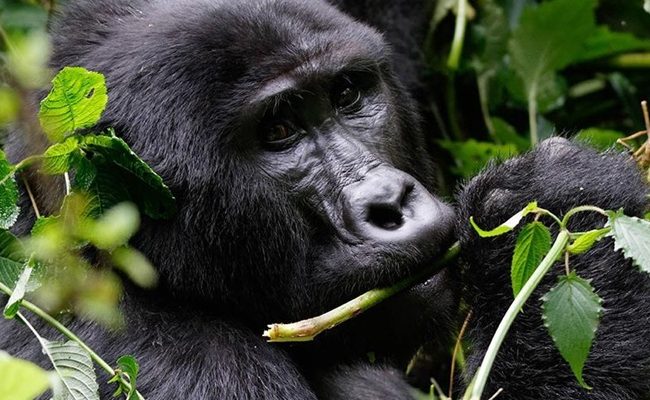
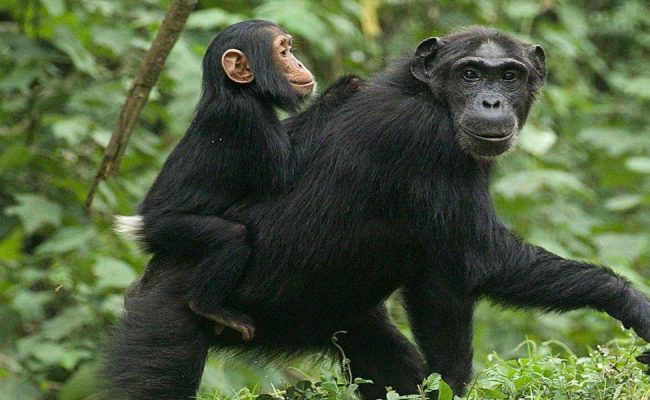
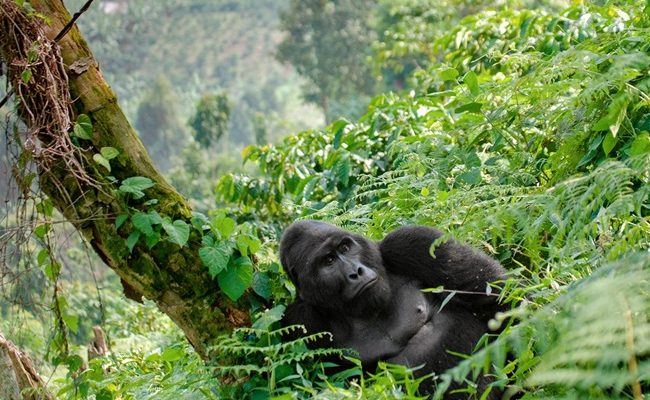
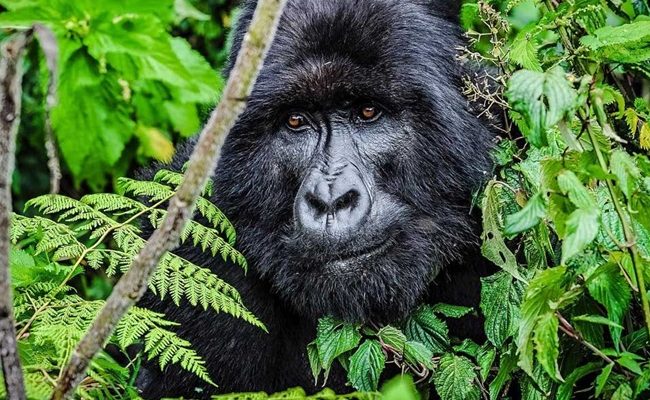
  • Virunga National Park — Home to mountain gorillas, chimpanzees, and the active Mount Nyiragongo volcano with its lava lake.
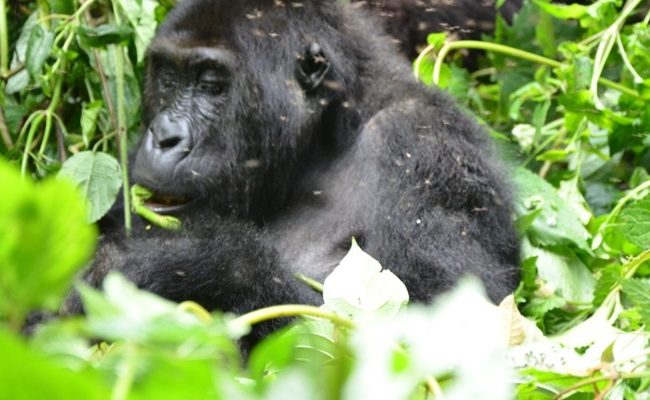
  • Kahuzi-Biega National Park — Famous for eastern lowland gorilla trekking.
  • Nyiragongo Volcano — Hiking to see one of the world's largest persistent lava lakes.
  • Lola ya Bonobo Sanctuary — A sanctuary for rescued bonobos near Kinshasa.
  • Okapi Wildlife Reserve — Unique for okapi (forest giraffes) and pygmy communities.
  • Garamba National Park — Remote savanna with elephants and rhinos.
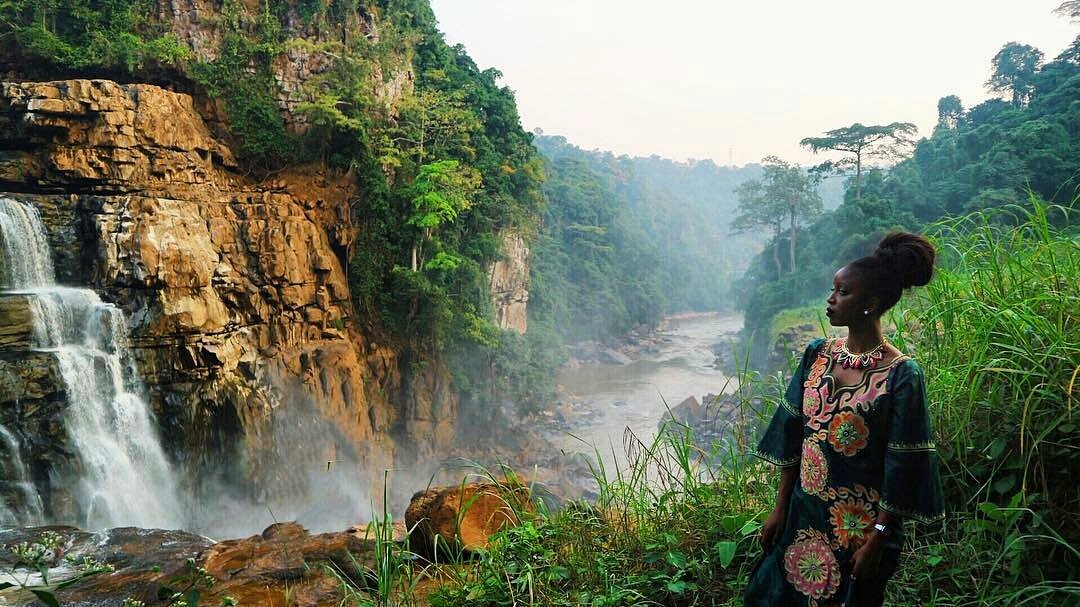
  • Zongo Falls — Impressive waterfalls near Kinshasa.
  • Congo River experiences and cultural sites in Kinshasa.

Gorilla trekking and volcano hikes are the main draws for international visitors.

Yes, most nationalities require a visa in advance. There is an e-visa option through the official DRC portal for many countries, but requirements vary by nationality (often based on reciprocity). You'll typically need a valid passport (at least 6 months validity), photos, proof of accommodation, yellow fever vaccination certificate, and sometimes an invitation letter or hotel booking. Apply well in advance, as processing can take time. A few nationalities have exemptions or special rules.

A yellow fever vaccination is mandatory for entry (certificate required). Recommended vaccines include hepatitis A/B, typhoid, rabies (for adventure travel), and routine shots (measles, etc.). Malaria is widespread—take prophylaxis. Ebola outbreaks have occurred in the past, so check CDC or WHO updates. Drink bottled water, use insect repellent, and have travel insurance covering medical evacuation.

The dry season (June to September, or November to March in some areas) is generally preferred for easier access to parks and fewer rains. June-July are often the driest months in eastern regions for gorilla trekking and hiking. Avoid the rainy season (October-May in many areas) when roads become impassable.

Related Tours

A curated list of the most popular travel packages based on different destinations.

Gorilla Trekking, Game Drive & Adventure Featured
6 Days Gorillas & Lake Kivu Tour
6 Days/5 Nights
  • Inclusion
    This package covers Accommodation, Daily Meals, Entry Fees & Local Transfers to ensure a worry-free trip.
Gorilla Trekking & Bird Watching Featured
5 Days Rwanda Gorillas & Chimps Tour
5 Days/4 Nights
  • Inclusion
    This package covers Accommodation, Daily Meals, Entry Fees & Local Transfers to ensure a worry-free trip.
Gorilla Trekking, Game Drive & Adventure Featured
5 Days Akagera & Gorilla Safari
5 Days/4 Nights
  • Inclusion
    This package covers Accommodation, Daily Meals, Entry Fees & Local Transfers to ensure a worry-free trip.