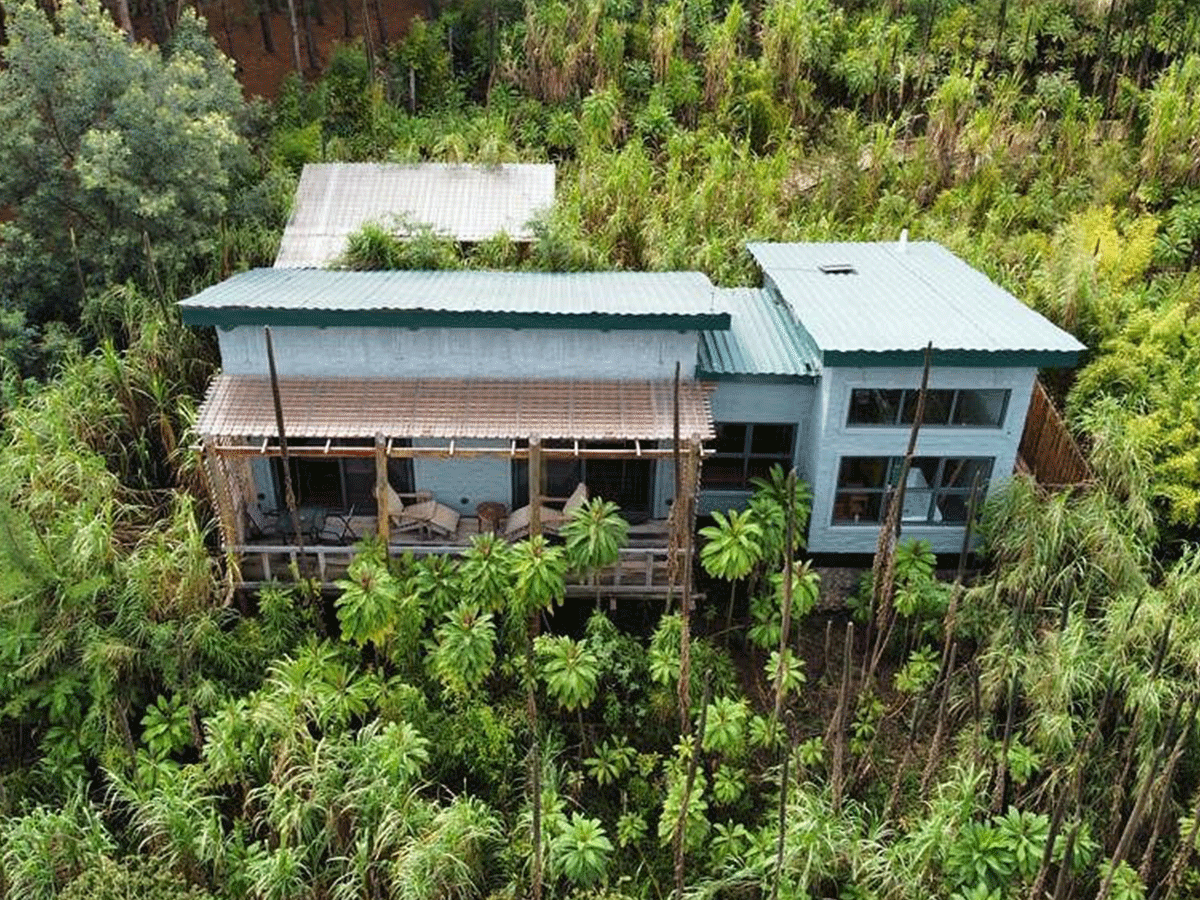
As you plan for your Gorilla trekking safari is one of the most extraordinary wildlife experiences in Africa. Coming face-to-face with endangered mountain gorillas in their natural habitat is emotional, powerful, and unforgettable. However, because these primates are highly vulnerable to human diseases and environmental disturbance, strict gorilla trekking rules and regulations are in place to protect both visitors and gorillas.Whether you’re trekking in Bwindi Impenetrable National Park or Mgahinga Gorilla National Park, following these guidelines is mandatory.
Gorilla Trekking Rules and Regulations:
Here is a simple and clear break down of the key rules that visitors must adhere to
Minimum Age Requirement
Only visitors aged 15 years and above are allowed to participate in gorilla trekking.
Why is that?;
Children may struggle with long hikes
Young people are more likely to carry contagious illnesses
Emotional reactions can be unpredictable around wild animals.
Do Not Trek If You Are Sick
Mountain gorillas share about 98% of human DNA. This makes them extremely vulnerable to human diseases such as flu, colds, or COVID-like symptoms.
If you have any of these illnesses: Fever, Cough, Flu symptoms, Diarrhea, You will not be allowed to trek. It’s not punishment—it’s protection.
3. Maintain a 7-Meter Distance
Visitors must keep at least 7 meters (about 23 feet) away from the gorillas at all times. There are times when a gorilla approaches you, touches, or brushes on you, you should stay calm and avoid sudden movements, Do not reciprocate with touch on the gorilla be it a baby or adult, your touch may be misinterpreted.
Basically this distance reduces disease transmission and prevents stress to the gorillas which can fire back to visitors.
Do not Look the Gorilla in the Eye During Gorilla Trekking
Why It Matters
One of the most important gorilla trekking rules is avoiding direct eye contact with mountain gorillas. It may feel natural to look into their eyes especially during such an emotional encounter but in gorilla behavior, direct eye contact can be interpreted as a threat or challenge.
Here’s why this rule is critical;
Eye Contact Signals Dominance; In gorilla social structure, especially with a silverback (the dominant male), sustained eye contact can be seen as: a challenge to authority, aggressive behavior and, a sign of confrontation
off course you mean no harm, but the gorilla may respond defensively and you do not want to be at loggerheads with the gorillas especially when you are standing in their territory.
No eye contact Prevents Stress and Defensive Reactions
Mountain gorillas are gentle and have undergone the habituation process, that makes them feel less intimidated by humans, but even so, they are still wild animals and you expect them to behave wild, but these rules help visitors to observe the gorillas whilst minimizing risks of charging at you. When you avoid eye contact it helps the gorillas keep them calm, reducing tension between trekkers and the gorillas preventing mock charges
Should you be lucky and get a golden chance of being touched by a gorilla, or it standing next to you or walking past you with their fur touching your skin, or the gorilla stares at you, do not fret, remain calm and lower your gaze slightly, Look down or to the side
and avoid staring directly into its eyes. The Gorilla Hour will not be interrupted
Safety – Follow the Advise of Ranger
Always follow the instructions of the ranger for safety during your trekking safari. Mountain gorillas are wild animals. Rangers spend lots of times observing the gorillas, they know too well the behavior of the gorillas and can read warning signs you may not notice. Their guidance helps prevent: Defensive charges, Stress to the gorilla family, Risky positioning during encounters.
During the 1 hour encounter with the most magical apes the mountain gorillas, rangers keep monitoring the gorilla behavior, so they advise you from time to time what you should do, yours is to follow.
One Hour with the Gorillas
When Does the Gorilla Hour Start?
The countdown begins the moment you are within the allowed 7-meter viewing distance of the gorillas not when you first see them from afar. Your ranger will inform you when your hour begins and ends.
The trek starts when you enter the forest going through the thick forest hiking in the highlands, Once you find the gorilla family, that is when the Gorilla Hour starts.
That hour goes by fast but it’s magical. One of the most important gorilla trekking regulations is the one-hour limit with the Gorillas and is Strictly enforced no matter how magical the moment feels. This rule applies in both Bwindi Impenetrable National Park and Mgahinga Gorilla National Park.
Here’s why that Gorilla hour matters so much in the gorilla world.
Protecting Gorilla Health is very key
Because Mountain gorillas share about 98% of human DNA they are highly vulnerable to human illnesses like flu and respiratory infections, so limiting contact time helps Reduce exposure to human germs, Lower stress levels, Protect infants and elderly gorillas, The shorter the interaction, the safer they remain.
Minimizing Stress and Behavioral Disruption
Even though gorillas in trekking groups are habituated to humans, they are still wild animals, spending extended time around them could Interrupt feeding routines, Disturb resting periods, Increase anxiety within the group. The 1 Gorilla hour limit ensures their natural behavior continues with minimal interference.
Fair Access for All Visitors
Each gorilla family can be visited by only one group of up to 8 tourists per day. The one-hour rule ensures equal opportunity for all permit holders, organized scheduling, Proper conservation management.
Make the Most of Your time to enjoy the magical moment of being face to face with the mountain gorillas by observing all the rules. Please be aware that this hour goes by faster than you expect but it’s described as one of the most powerful wildlife experiences on Earth.
The one-hour limit isn’t meant to rush you. It’s designed to protect endangered mountain gorillas while still allowing you an intimate, unforgettable encounter.
No Flash Photography
Before the trek starts always check your camera settings to disable flash before entering the forest as flash Photography is not allowed it’s a critical gorilla trekking rule
While capturing photos of mountain gorillas is allowed, using flash can be harmful and disruptive to these endangered primates.
Here’s why no flash photography is so important.
Flash Can frighten mountain gorillas as they are sensitive to sudden bursts of light.
This is what a camera flash does to the gorillas: it Startles them, triggers defensive behavior, causes unnecessary stress.
A startled gorilla especially a dominant silverback may interpret flash as a threat, which can lead to; Mock charges, agitated movements, increased tension within the group. While mock charges are often displays rather than attacks, avoiding flash reduces the risk altogether.
How to Take Great Photos Without Flash
If you are concerned how you can have good photos for your memory, don’t worry.
You need to use a camera with good low-light performance,
You need to increase ISO settings,
Use a fast lens,
Stay steady or use image stabilization,
Take advantage of natural light filtering through the forest canopy
Most modern cameras and smartphones can produce excellent results without flash.
Tip
Always Check Your Settings before you enter the forest:
Turn off flash mode completely,
Disable automatic flash,
Double-check your camera or phone settings
Gorilla trekking is a an opportunity. Protecting these endangered apes is more important than any photograph.
By respecting the no flash photography rule, you help ensure a calm, safe, and natural experience for both the gorillas and your group.
8 Trekker Per Gorilla Group
Only 8 trekker are allowed trek each gorilla family per day
This is one of the most important gorilla trekking regulations to adhere to, and it’s the reason why gorilla permits are limited. During your gorilla trek in the misty forest of Bwindi, you will be split into groups of 8 trekkers to visit one gorilla family per day. This limit plays a major role in conservation and visitor safety.
Fewer people means fewer health risks less Disruption of their feeding routines, less Interrupt social interactions, less anxiety within the group, a small group ensures a calm and controlled environment.
8 people only enhances visitor experience, where everyone gets clear viewing opportunities, you get to move quietly through the forest and also Photographers have better angles. With only 8 people your gorilla encounter feels intimate and personal
Why Only Once Per Day? each gorilla family is visited only once per day for one hour. After that, they are left undisturbed to continue their natural activities. This careful management system helps balance tourism and conservation.
Limiting trekkers has significantly made mountain gorilla conservation so successful. By following this rule, you help protect these endangered primates while enjoying one of the world’s most powerful wildlife encounters.
7. No Noise
Keep voices low, silence and calm behavior are essential. Loud talking or shouting may alarm the gorillas.
While trekking and more so if you are before the gorillas, if you should really speak, then do so softly, in fact just whisper. Avoid unnecessary noises such as sneezes, coughing, loud laugh Follow ranger instructions carefully. By observing the no raised voices rule, you help protect these endangered primates and ensure a calm, unforgettable experience for everyone.
8. Stay in Your Assigned Group
You will be assigned in a specific gorilla family during the morning briefing. You must trek with your designated group and ranger, Switching groups is not allowed.
Gorilla trekking is not a free-roaming trek but a carefully managed conservation activity. By staying in your assigned group, you help protect endangered mountain gorillas and ensure a safe, organized, and unforgettable experience.
Do Not Litter
Everything you carry into the forest must come back out, ensure you no plastic waste, No food scraps, No tissues left behind, trek the gorillas responsibly
No Eating or Drinking Near Gorillas
If you need to eat or drink Move away from the gorilla group. Gorilla trekking is unpredictable exercise when it comes to time, you may not be certain when the exercise will end, so its advisable to carry a snack and a drink. Your ranger will advise you when and where to eat from, you can not eat or drink at the watch of the gorillas.
If a Gorilla Charges, Stay Calm
Occasionally, a gorilla may perform a mock charge. This is usually a display of dominance.
If it happens: Do not run as running can trigger a chase instinct.
,avoid eye contact, Slowly crouch down and Follow ranger instructions
Dig a Hole to Ease Yourself
When trekking in remote rainforest areas like of Bwindi or Mgahinga, there are no toilets deep inside the forest. If you need to relieve yourself during the trek, strict sanitation guidelines must be followed.
Proper waste disposal protects both mountain gorillas and the fragile ecosystem.
Inform your ranger or porter immediately who will dig a small hole (about 6–8 inches deep), after use, the hole must be properly covered with soil.
Mountain gorilla trekking in Uganda is a once-in-a-lifetime adventure, but the rainforest environment can be challenging. Choosing the right clothing ensures you stay comfortable, safe, and protected while trekking in Bwindi Impenetrable National Park or Mgahinga Gorilla National Park.
Here’s a complete guide on what to wear for your gorilla trekking safari.
These should be Lightweight, breathable fabrics, Neutral colors like green, brown, or khaki (avoid bright colors)
2. Long Trousers
These should be durable trekking pants Preferably quick-dry material to Protects your legs from thorns, nettles, and insects. Avoid shorts as they will leave your legs vulnerable to scratches, insect bites.
3. Waterproof Jacket or Poncho
The rainforest is humid and rain is frequent even in dry months, rain can fall anytime, so a Lightweight, breathable raincoat or poncho is a must have, to keep you dry during your trek and incase it rains whilst in the forest.
4. Hiking Boots
Trekking trail in the forest can be steep and uneven, proper and comfortable footwear is non-negotiable. These should atleast be Sturdy, waterproof with ankle support and have a good tread for muddy and slippery trails.
5. Gloves
These are optional but recommended, they give your hands Protection while holding vegetation or helping balance on steep slopes. Lightweight gardening or trekking gloves work well
6. Headgear
A Cap or wide-brimmed hat is a good idea to protect you from sun, rain, and insects, it’s a must pack.
7. Socks
It’s a good idea to carry moisture-wicking hiking socks. Avoid cotton, which retains moisture
8. Layering for Comfort
Early mornings can be cool (10–15°C / 50–59°F)
Daytime temperatures can rise to 25°C (77°F)
Layering allows you to adjust to changing temperatures
9. Extra Essentials
Small waterproof backpack
Reusable water bottle
Insect repellent on exposed skin
Lightweight scarf or buff (optional)
Insect repellent (preferably with DEET)
Sunscreen
Sunglasses
Camera (no flash allowed)
Extra batteries or power bank
Energy snacks/ Most lodges provid lunch boxes for trekkers
Final Tip
Dress in neutral, practical clothing that protects you from the elements, insects, and thorny plants. Avoid bright colors and perfumes—they can distract gorillas and other wildlife.
With the right clothing, your gorilla trekking experience becomes safe, comfortable, and unforgettable
Travel Preparation Guide
What Documents to Carry
Visa – is obtained before arrival, please follow the link to secure a visa Welcome to Uganda Electronic Visa/Permit Application System
Passport
Gorilla trekking permit (handled by Gorilla Hour Uganda)
Travel insurance details
Small cash for tips (guides and porters)
Hiring a porter is highly recommended it supports the local community and makes your trek easier.
Exchanging Money
Proper financial preparation is essential when planning a gorilla trekking safari in Uganda. Understanding how to handle money ensures a smooth trip while avoiding unnecessary stress in remote areas like Bwindi Impenetrable National Park
1. Currency in Uganda
The official currency is the Ugandan Shilling (UGX).
US Dollars (USD) are widely accepted, especially for gorilla permits, lodge payments, and tips.
Other currencies are rarely accepted outside major cities.
Tip: Bring clean, undamaged USD bills. Torn or heavily marked bills may be rejected.
2. Where to Exchange Money
a) Banks and Forex Bureaus
Found in Kampala, Entebbe, Kabale and generally larger towns near the national parks
b) Airports
Entebbe International Airport has exchange points at arrivals.
c) Lodges
Most lodges accept USD for payments
Some lodges may have limited ability to give change, so carry small denominations
3. Using ATMs and Cards
ATMs are available in major towns, you will receive you money in shillings
Visa and Mastercard are accepted in lodges and larger establishments
Always carry cash for tips, and small purchases.
Tip: Bring enough cash for your entire trekking stay
4. Tips for Handling Money During Your Safari
Carry small denominations: $1, $5, $10 bills for tips
Keep money in a waterproof pouch or money belt
Avoid exchanging money with street vendors, use official counters
Plan ahead; remote lodges may not provide change for large bills
5. Tipping Guidelines
Porters: $5–$10 per day
Ranger/ Guides: $10–$15 per person per day
Lodge staff: $2–$5 per staff member for housekeeping or dining
Tipping supports local communities and is highly appreciated, it’s an expression of gratitude, you may tips as feel appropriate.
Understand the Weather
Uganda’s rainforest climate is unpredictable. Even in dry seasons, rain showers are common. Always pack waterproof gear regardless of the time of year.Temperatures range between 10°C (50°F) in the morning and 25°C (77°F) during the day.
Bonus Tip: Respect Conservation Efforts
Your Gorilla permit fees help protect endangered mountain gorillas and support local communities. Respect park rules and practice responsible tourism.
Proper insurance and medication are crucial when planning a gorilla trekking safari in Uganda. The trek can be physically demanding, the rainforest environment unpredictable, and medical facilities limited in remote areas. Being prepared ensures a safe, comfortable, and enjoyable experience.
1. Travel Insurance – A Must-Have
Before embarking on your trek, it is essential to have comprehensive travel insurance that covers:
Medical emergencies hospitalization, doctor visits, and evacuation if necessary
Trip cancellations or delays for unexpected changes or permit issues
Adventure activities – trekking, hiking, and wildlife excursions
Lost or stolen belongings – cameras, passports, or trekking gear
Tip: Check that your policy explicitly covers gorilla trekking and adventure travel, as not all standard travel insurance policies automatically include this.
2. Essential Medications
Carrying the right medications ensures comfort and safety in the rainforest:
a) Personal Medications
Bring enough prescription medications for the entire trip and Keep them in their original labeled packaging
b) Common Travel Medications
Painkillers (paracetamol or ibuprofen)
Anti-inflammatory medication
Anti-diarrheal medication
Antihistamines (for allergies or insect bites)
Motion sickness pills (if traveling on rough roads)
c) Malaria & Preventive Medication
Uganda is a malaria-endemic country
Take prophylactic malaria medication as prescribed by a doctor
Use insect repellent and wear long clothing to reduce bites
3. First Aid Kit
A small personal first aid kit is highly recommended:
Band-aids and antiseptic wipes
Blister pads for hiking boots
Insect bite cream
Antiseptic ointment for minor cuts
Thermometer
4. Vaccinations
Before traveling to Uganda, ensure you are up to date on:
Yellow fever (required)
Tetanus
Hepatitis A & B
Typhoid
Routine vaccinations (measles, polio, influenza)
Consult a travel clinic at least 6–8 weeks before departure.
5. Tips for a Safe Trek
Carry medications in a waterproof pouch
Inform your safari guide of any medical conditions
Drink plenty of water to stay hydrated
Rest if you feel unwell; don’t push your limits on the trek
Gorilla trekking is exhilarating, but preparation is key. Proper insurance, medications, and preventive care protect both you and the gorillas by keeping you healthy and safe during this life-changing adventure.