Tracking Gorillas in Rwanda
Gorilla tracking in Rwanda is considered one of Africa’s premier luxury wildlife experiences, distinguished by efficient logistics, exceptional conservation management, and relatively accessible trekking conditions. Conducted in the famed Volcanoes National Park in Rwanda’s northwest, the experience offers visitors the opportunity to observe endangered mountain gorillas within the dramatic volcanic landscapes of the Virunga Massif.
Rwanda has positioned gorilla tourism as a high-value, low-impact conservation model, emphasizing exclusivity, sustainability, and premium visitor experiences. Although the country protects a smaller portion of the global mountain gorilla population than Uganda, its tourism infrastructure, shorter transfer times, and well-developed hospitality sector have made it one of the continent’s most sought-after primate destinations.
The Trekking Experience
The trekking experience begins early each morning at the Volcanoes National Park headquarters in Kinigi, where visitors are assigned to one of the park’s habituated gorilla families. Groups are intentionally kept small — typically a maximum of eight visitors per gorilla group — in accordance with strict conservation protocols designed to minimize stress and disease transmission among the gorillas.
Following a detailed ranger briefing covering safety, trekking etiquette, and gorilla behavior, visitors travel by vehicle to the appropriate trailhead at the base of the Virunga volcanoes. Unlike many safari experiences, gorilla tracking is highly dynamic. Gorilla families move daily through bamboo forests, montane rainforest, and volcanic slopes in search of food and nesting areas, requiring trackers to continuously monitor their locations.
The trekking itself can range from relatively moderate walks to physically demanding climbs, depending on the assigned gorilla family’s movements. Rwanda’s terrain is generally considered more accessible than Uganda’s Bwindi Impenetrable Forest, with more open vegetation and shorter average trekking durations, although steep volcanic inclines can still present challenges at higher elevations.
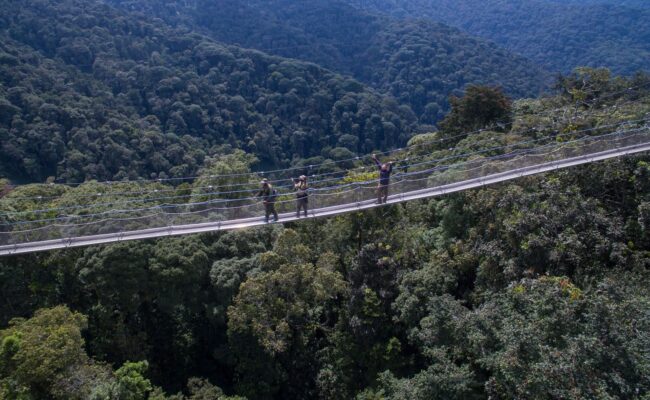
As visitors ascend through the forest, the environment changes dramatically — cultivated farmland quickly gives way to bamboo groves, giant lobelia plants, moss-covered trees, and mist-covered mountain slopes. Rangers and trackers communicate constantly by radio, interpreting fresh feeding signs, vocalizations, and nesting sites to locate the gorillas.
Gorilla Hour
The moment of contact is highly controlled yet remarkably intimate. Once the gorilla family is located, visitors are permitted a maximum of one hour in their presence. During this time, guides provide interpretation of troop dynamics, social hierarchy, feeding behavior, and communication patterns.
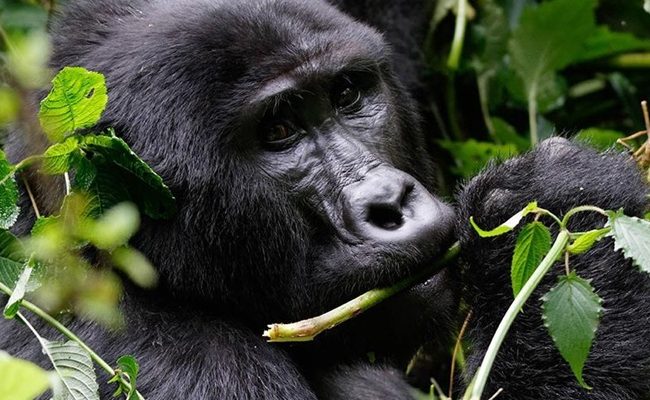
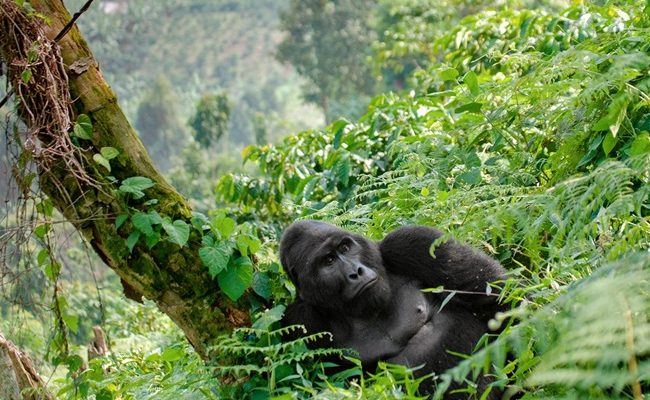
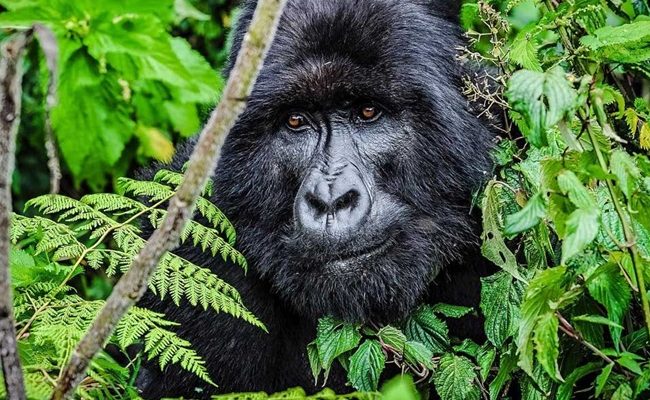
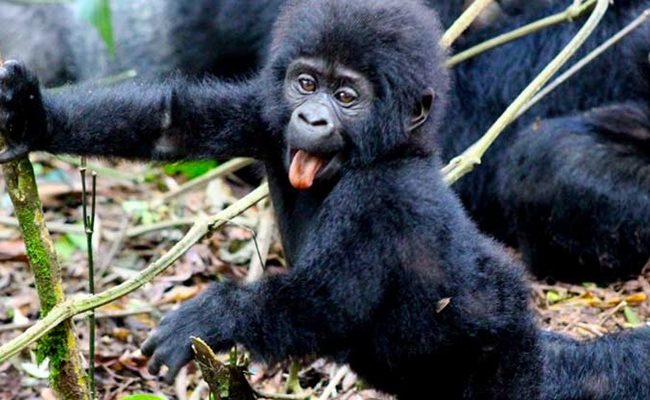
Encounters often involve observing dominant silverbacks monitoring their families, juveniles playing within the vegetation, mothers nursing infants, and intricate social interactions that closely resemble human behavioral structures. The proximity can be extraordinary, with gorillas occasionally moving calmly within meters of visitors while remaining entirely wild and unrestrained.
About Volcanoes National Park
Volcanoes National Park itself carries substantial historical and scientific significance. The park was central to the groundbreaking research conducted by renowned primatologist Dian Fossey, whose conservation work brought international attention to the survival of mountain gorillas in the Virunga region. Today, Rwanda’s conservation strategy continues to build upon that legacy through rigorous anti-poaching programs, veterinary monitoring, habitat protection, and strong community revenue-sharing initiatives funded largely through tourism.
Rwanda’s gorilla permit system reflects its premium tourism positioning. Gorilla tracking permits are currently priced at approximately USD $1,500 per person, making Rwanda one of the most expensive gorilla trekking destinations globally. However, the pricing structure supports extensive conservation funding while limiting visitor numbers to maintain ecological sustainability and exclusivity.
Best time for Tracking Gorillas in Rwanda
The best trekking periods generally occur during the drier seasons from June to September and December to February, when trail conditions are more manageable. Nevertheless, Volcanoes National Park remains a rainforest environment where rain and muddy terrain are possible throughout the year.
Operationally, preparation remains important despite Rwanda’s relatively accessible trekking conditions.
Recommended items to Carry
includes waterproof hiking boots, rain gear, layered clothing for variable mountain temperatures, gloves for navigating vegetation, and sufficient hydration. A moderate level of fitness is advisable, particularly for higher-altitude treks on volcanic terrain.
One of Rwanda’s greatest logistical advantages is accessibility. Volcanoes National Park is located approximately 2.5 to 3 hours by road from Kigali International Airport, allowing travelers to combine gorilla tracking with short luxury itineraries or business travel schedules more easily than in neighboring destinations.
For travelers seeking a conservation-focused primate encounter supported by high-end infrastructure, efficient logistics, and premium hospitality, gorilla tracking in Rwanda represents one of the most refined wildlife experiences available anywhere in Africa.
Gorilla Tracking in Rwanda
Step into the mist. Meet the mountain giants.
Experience one of the world’s most remarkable wildlife encounters in Volcanoes National Park, Rwanda—home to endangered mountain gorillas and the iconic Virunga volcanoes.
Rwanda’s gorilla trekking is known for its exceptional conservation standards, well-managed trails, and premium travel experience, all within a short drive from Kigali.
Why choose Rwanda for gorilla tracking?
Home to Volcanoes National Park & the Virunga Mountains
Highly trained guides and strict conservation protection
Short transfer time from Kigali (2–3 hours)
Exclusive, low-impact trekking permits
One of the world’s most intimate wildlife encounters
Tracking gorillas in Rwanda is a rare opportunity to connect with one of our closest relatives in the wild, in a landscape shaped by mist, volcanoes, and ancient forest.
Begin your gorilla trekking adventure in Rwanda—where conservation meets unforgettable discovery.