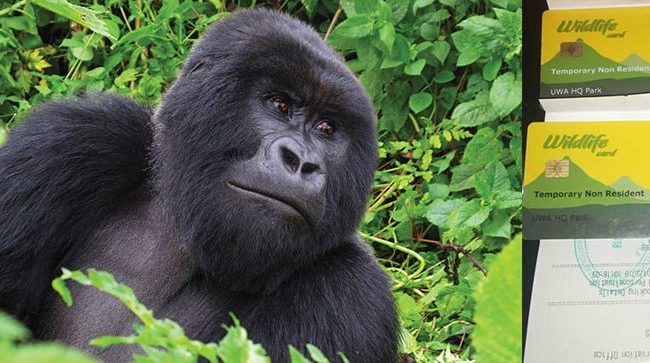
Gorilla Habituation Experience for first time trekkers is a good experience to gain greater insight into gorilla behavior because visitors witness the daily work of trackers and researchers.
Where Does Gorilla Habituation Take Place?
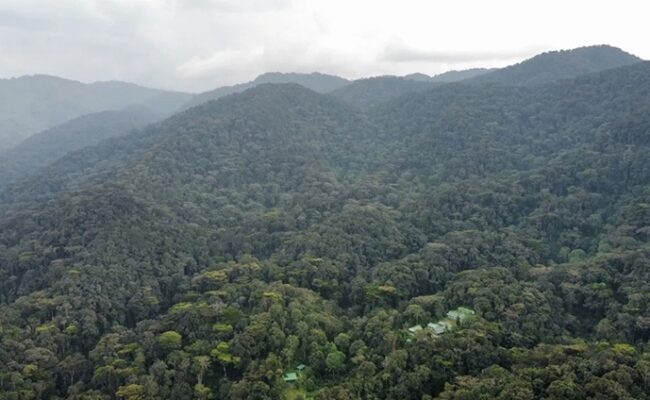
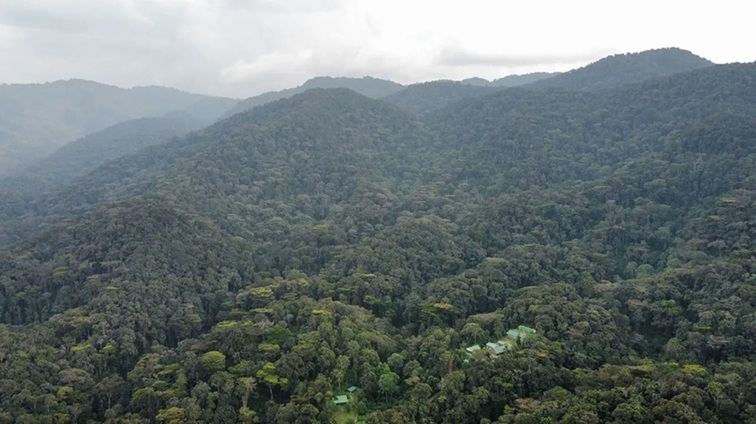
Gorilla Habituation Experience for first time trekkers is available exclusively in the Rushaga Sector of Bwindi Impenetrable National Park in southwestern Uganda.
Rushaga is home to several mountain gorilla families and offers one of the highest concentrations of habituated and semi-habituated groups in Bwindi.
Rushaga sector is known for: Spectacular mountain scenery, several gorilla tracking safari lodges, and easy access from Kisoro and Kigali.
A Guide on Gorilla Habituation Experience for First Time Trekkers
Your day begins before sunrise with a briefing by Uganda Wildlife Authority rangers.
After meeting your expert guides, you’ll enter Bwindi’s ancient rainforest in search of the assigned gorilla family. Unlike standard gorilla trekking, the adventure doesn’t end once the gorillas are found.
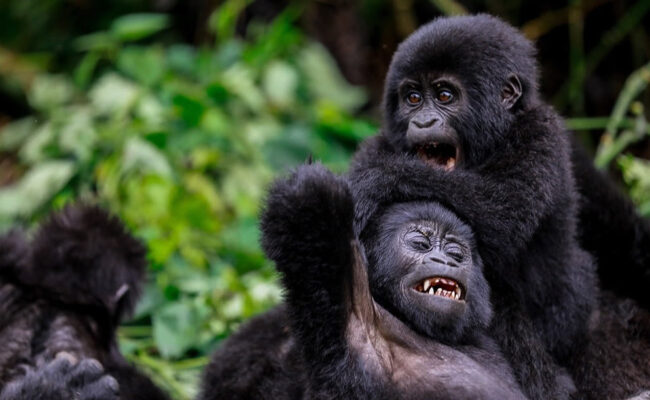
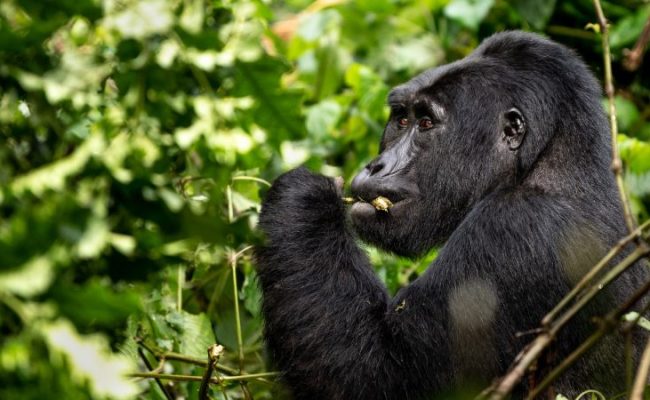
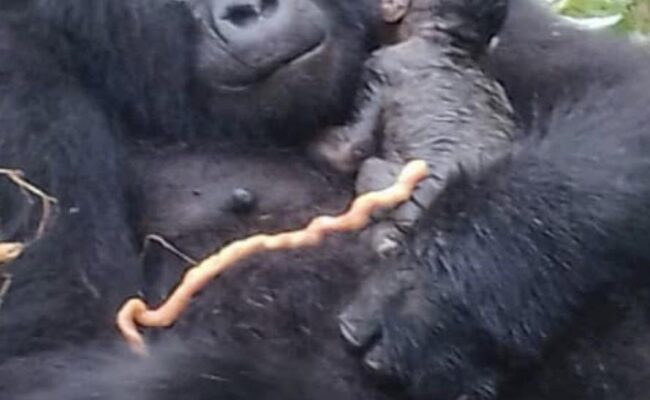
Over the next four hours, you’ll observe researchers documenting Gorilla feeding behavior, Social interactions, Grooming, Nest building, Communication, Infant development, Dominance displays, Silverback leadership, and their Movements through the forest.
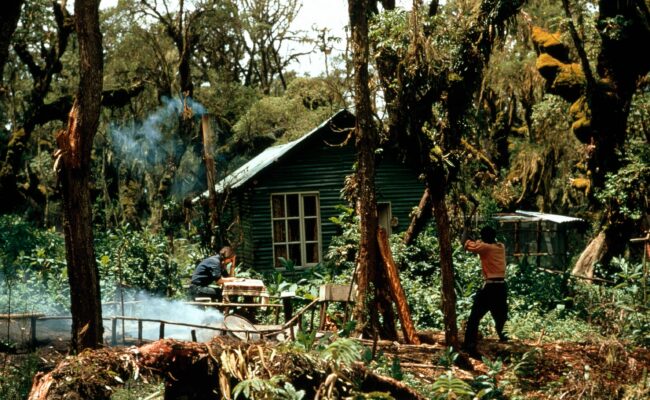
First time trekkers will also learn how trackers interpret fresh signs such as nests, dung, feeding trails, and vocalizations to locate the gorillas each day.
Gorilla Habituation Permit
The Gorilla Habituation Experience requires a special permit issued by the Uganda Wildlife Authority (UWA). Currently, there are only two Gorilla Habituation Experience permits available per day. For such deep encounter experiences, permits are extremely limited and sell out months in advance, more so during peak travel seasons; thus, booking is strongly recommended and the only way you can get availability.
First Time Photographers Love Gorilla Habituation Experience
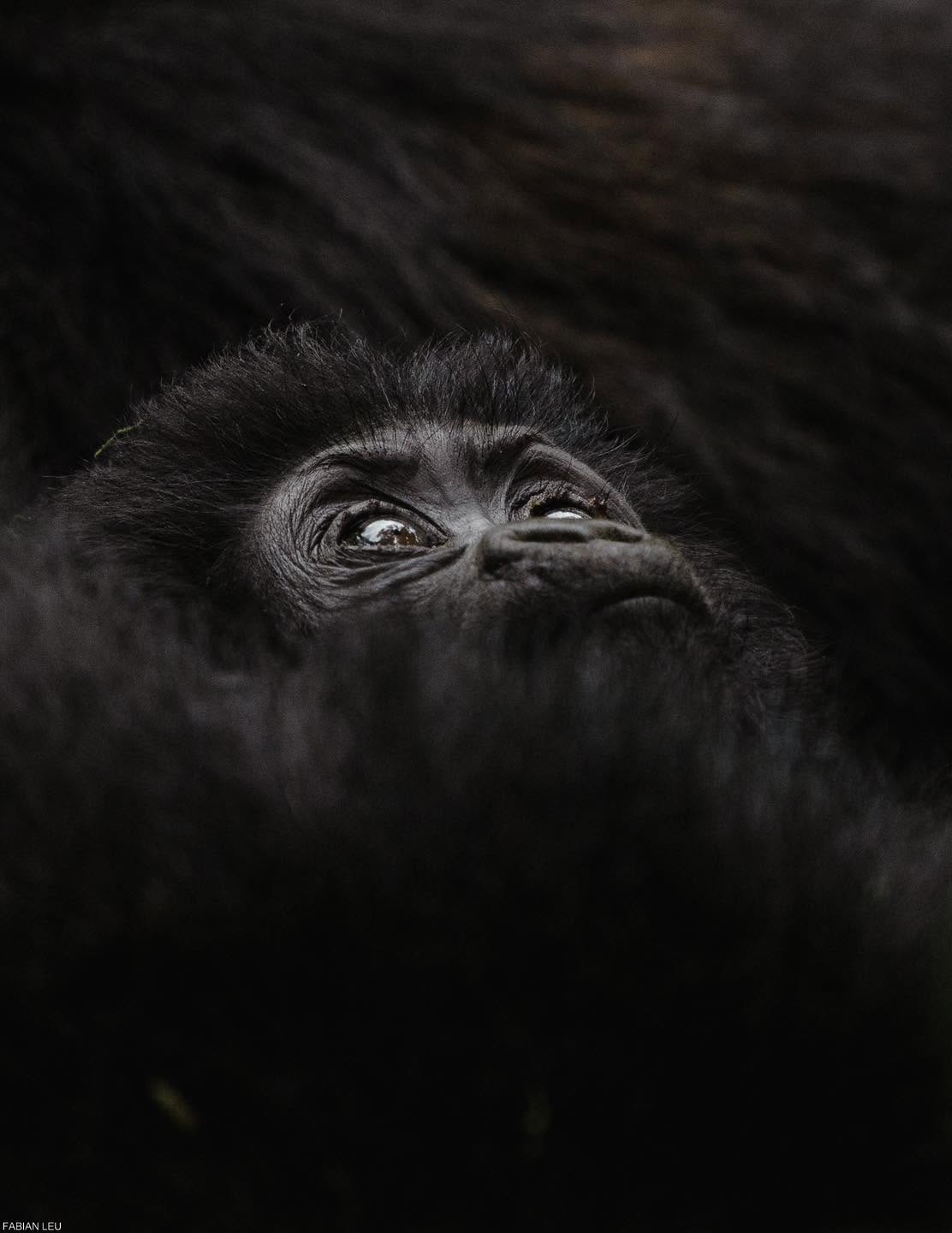
For wildlife photographers and ordinary new gorilla trekkers, the Gorilla Habituation Experience offers unmatched opportunities for four uninterrupted hours in the forest; thus, first-time photographers on this adventure enjoy Better lighting conditions, Multiple photography angles, More behavioral moments, Relaxed observation, Greater chances of capturing infant gorillas at play, and enough Time to adjust camera settings.
Rather than rushing to capture a few images, photographers can patiently document the daily lives of mountain gorillas.
Is the Gorilla Habituation Experience for first time trekkers safe?
Yes, the gorilla habituation experience for first time trekkers is very safe. The experience is carefully managed by highly trained Uganda Wildlife Authority rangers and experienced trackers.
Though first-time trekkers and all gorilla trekkers are required to observe the strict guidelines set up to maintain the calm behavior of the gorillas, once guidelines are not respected, gorillas feel threatened and therefore turn violent, especially for the silverback whose role is to protect the family and its members. Such guidelines include: maintaining a safe viewing distance of 7 meters, a Maximum of two trekkers, avoiding the habituation experience when you are ill, especially for communicable diseases, following ranger instructions, avoiding sudden movements which are misinterpreted by the gorillas, minimizing disturbance by keeping the voices very low, read more complete gorilla trekking guidelines here.
Mountain gorillas are naturally peaceful animals, and habituated families are accustomed to respectful human observers, including the first time trekkers.
Who Should Choose a Gorilla Habituation Experience Adventure?
It does not matter who you or what your interests are, gorillas habituation experience for first time trekkers is open from the first time Wildlife photographers and filmmakers in Bwindi, to first time Nature enthusiasts, Conservation supporters, first time trekkers intrested in birdwatching in Bwindi or a Luxury safari first time trekkers interested in having an encounter with the mountain gorillas in the real wild, the experience is for anyone seeking a deeper understanding of mountain gorillas and they most so find it incredibly rewarding.
Best Time for Gorilla Habituation
Gorilla habituation is available throughout the year.
Dry Seasons: June to September, December to February generally provide easier hiking conditions.
Green Seasons: March to May, October to November
The forest becomes lush and vibrant, with fewer visitors and outstanding photographic opportunities.
Frequently Asked Questions by First Time Trekkers
How long does Gorilla Habituation last?
Visitors spend up to four hours with a semi-habituated mountain gorilla family, excluding hiking time. The trekking time can take from 1 hour to several hours depending on the actual location of the gorillas.
Is Gorilla Habituation better than Gorilla Trekking?
Neither experience is inherently better; they offer different perspectives. Gorilla trekking provides a classic one-hour encounter with a fully habituated family, while habituation offers a longer, more immersive experience focused on conservation and research.
Can I combine Gorilla Habituation with Gorilla Trekking?
Of course, yes. Many first time trekkers choose to do both experiences on separate days, allowing them to compare a semi-habituated family with a fully habituated one.
Is Gorilla Habituation difficult?
It’s the trekking that is challenging, ranging from moderate to strenuous depending on the gorillas’ location and the terrain. A reasonable level of fitness is recommended.
Embark on Gorilla Habituation Experience with Gorilla Hour
The Gorilla Habituation Experience is far more than an extended wildlife encounter—it’s a rare invitation into one of the world’s most successful conservation stories. As you walk beside expert trackers through the ancient forests of Bwindi, you’ll witness the patience, science, and dedication required to protect one of Earth’s closest living relatives.
Whether you’re a first-time trekker to Uganda or returning for another gorilla adventure, spending four hours with a semi-habituated gorilla family offers an unmatched connection with the natural world. It’s an experience that deepens your understanding of mountain gorillas while directly supporting their future through sustainable tourism.