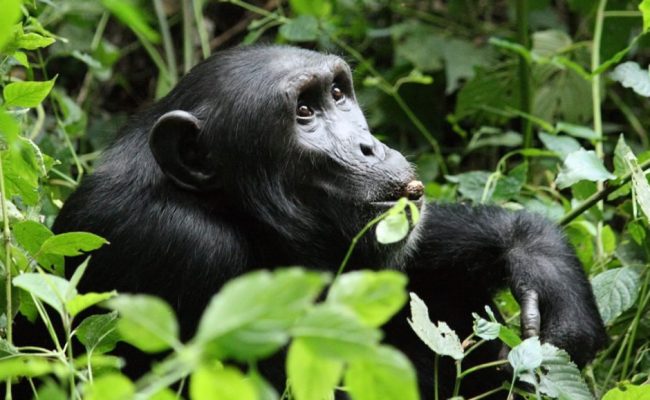
Chimpanzees Discovered in Bwindi Impenetrable National Park
There is great excitement about the conservation milestones in Uganda as a new product is yet to be added to



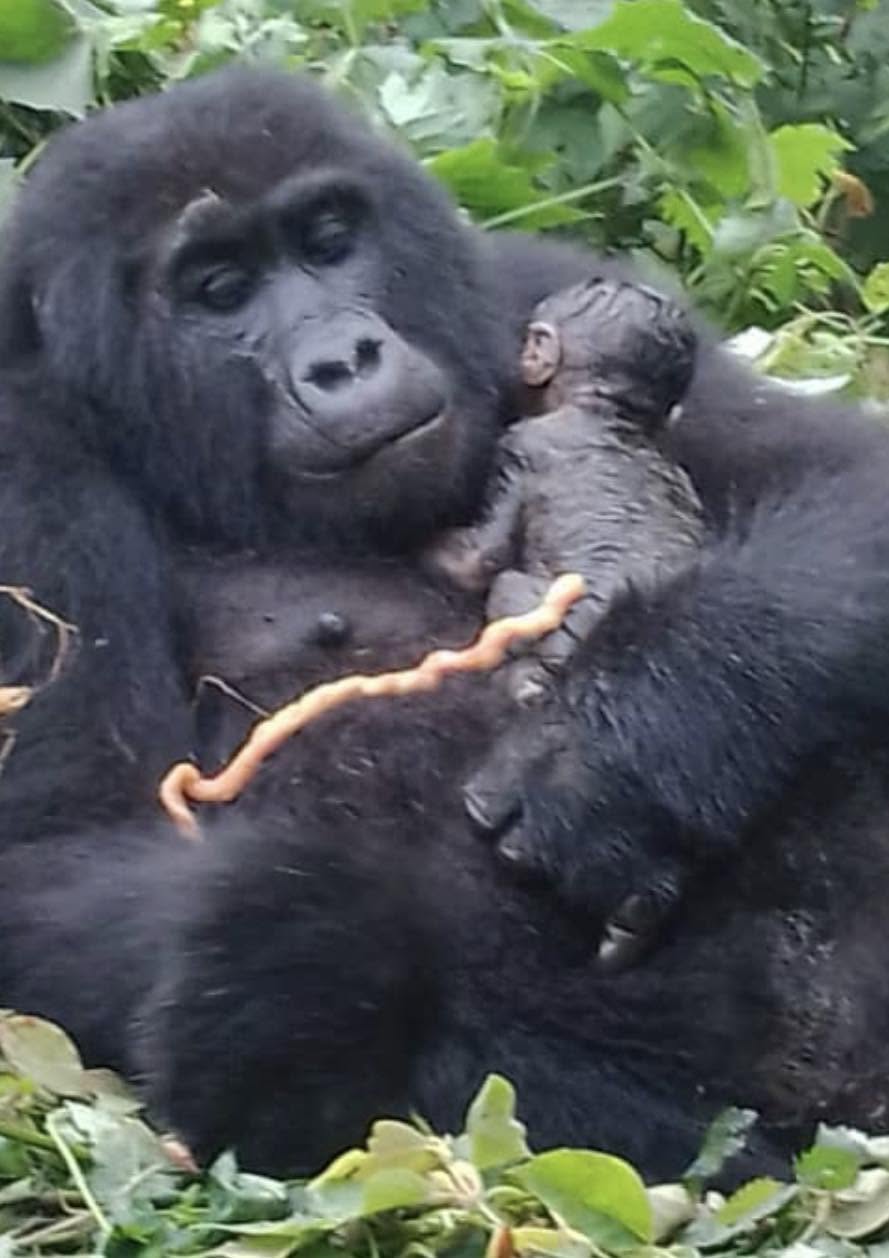
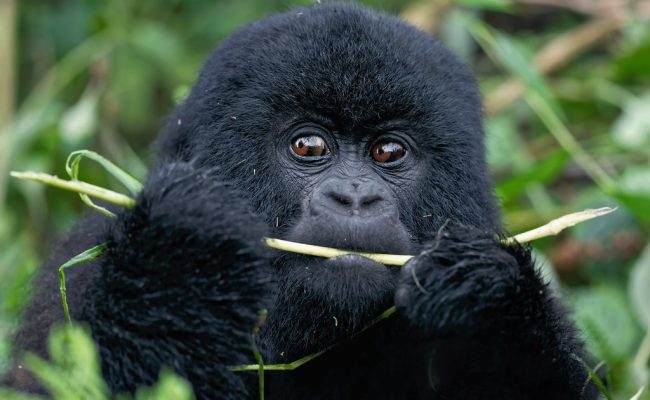
Mountain gorillas are more than one of Africa’s greatest wildlife attractions; they are devoted parents, patient teachers, and highly social animals whose family relationships closely resemble our own. Every mountain gorilla family revolves around cooperation, protection, learning, and care. Mothers nurture their infants with unwavering dedication, silverbacks defend every member of the group, older siblings help younger ones explore the forest, and playful juveniles develop the skills they will need for adulthood.
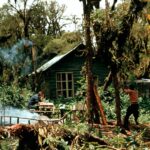
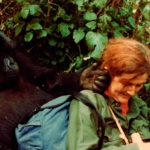
Before Dian Fossey established the Karisoke Research Center in 1967, much of the world misunderstood gorillas. They were often portrayed as violent and unpredictable. Fossey’s meticulous observations shattered those myths. Living among mountain gorillas for nearly 18 years, she documented affectionate mothers, gentle fathers, curious youngsters, and complex social relationships that transformed public perception and laid the foundation for modern mountain gorilla conservation.
Today, visitors who track gorillas in Rwanda‘s Volcanoes National Park or go tracking gorillas in Uganda‘s Bwindi Impenetrable National Park and Mgahinga Gorilla National Park have the rare privilege of observing these Mountain gorilla Parenting behaviors in the wild. Every encounter offers a glimpse into one of nature’s strongest family societies.
Dian Fossey’s Revolutionary Research
When Dian Fossey began studying mountain gorillas, almost nothing was known about their daily lives. Scientific knowledge was limited, and myths portrayed gorillas as dangerous creatures.
Rather than studying gorillas from a distance, Fossey immersed herself in their environment. At the Karisoke Research Center, she spent thousands of hours quietly observing gorilla families, recording behaviors, identifying individuals by their unique nose prints, and documenting every stage of their lives.
Her Research Revealed that Mountain Gorillas are:
♣Deeply affectionate toward family members.
♣Exceptionally patient with infants.
♣Intelligent problem-solvers.
♣Highly communicative.
♣ Protective rather than aggressive.
♣ Socially organized with clear family roles.
♣ Emotionally expressive through touch, vocalizations, and body language.
These discoveries transformed both science and conservation, paving the way for responsible gorilla trekking and stronger protection of one of the world’s most endangered great apes.
Unlike many mammals that live alone or in loose associations, mountain gorillas thrive in close-knit family groups led by a dominant silverback.
A typical gorilla family usually includes the following;
One dominant silverback.
One or more subordinate silverbacks.
Several adult females.
Blackbacks (young adult males).
Juveniles.
Infants.
Some groups contain more than 30 individuals, making them among the largest and most socially complex.
Complex Primate Families.
Every member has a role. While the silverback provides leadership and security, mothers devote themselves to raising their young, and juveniles learn through play and observation. This cooperative structure has helped mountain gorillas thrive in the challenging forests of the Virunga Mountains and Bwindi.
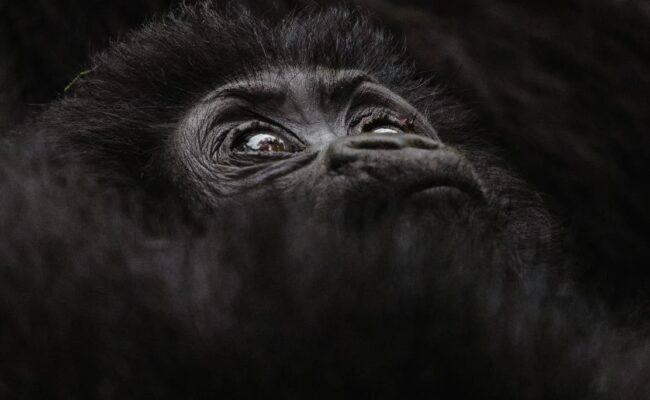
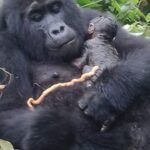
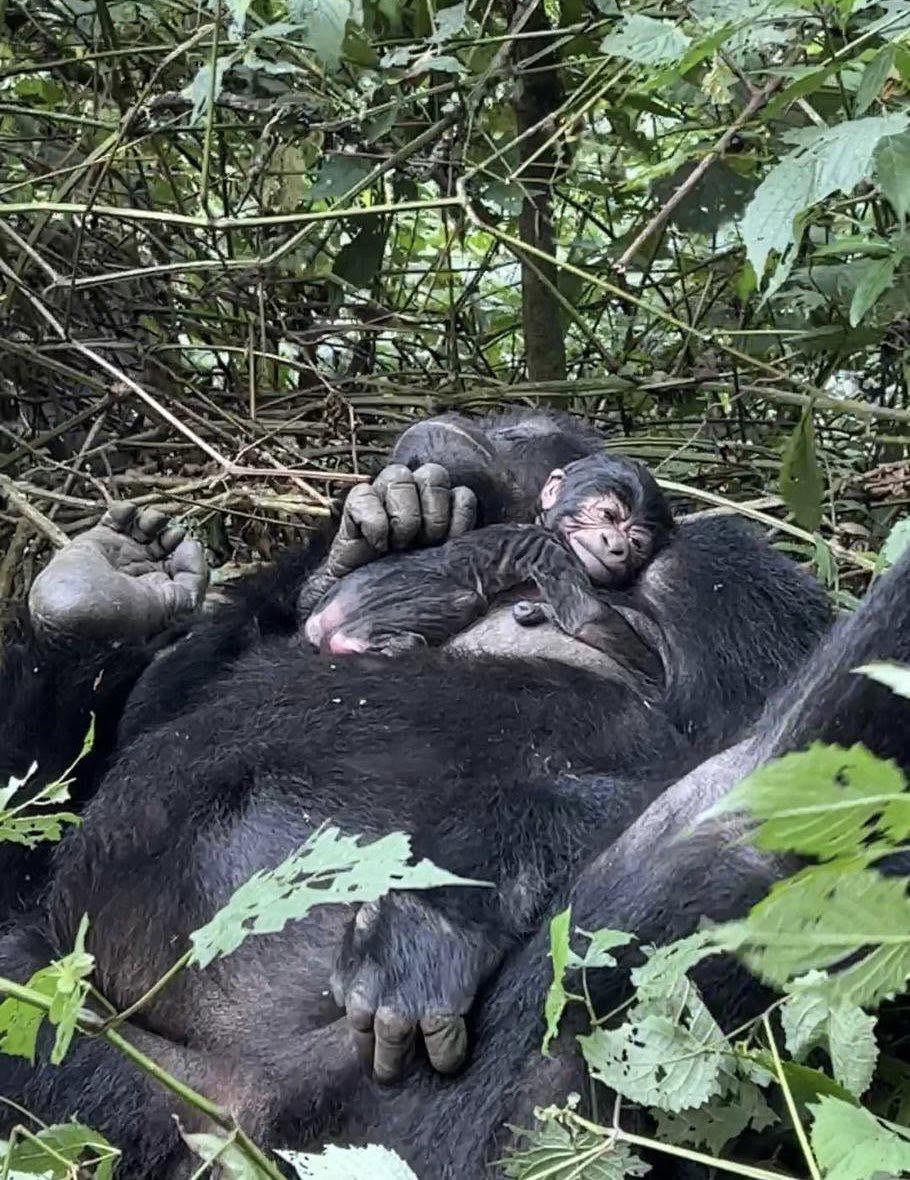
The bond between a mountain gorilla mother and her infant is one of the strongest relationships in the animal kingdom.
Pregnancy lasts about 8½ months, and births usually occur at night. Newborn gorillas weigh approximately 1.8–2 kilograms, making them remarkably small compared with their mothers.
For the first several months of life, infants depend entirely on maternal care, just as in humans.
Mother gorillas nurse their babies on demand; they carry infants against their chest before transitioning them to their backs; they groom and clean them; comfort their babies during stressful situations; they teach feeding techniques; they introduce their little ones to other gorilla family members; and they encourage independence gradually rather than abruptly.
Dian Fossey documented countless examples of mothers responding immediately to their infants’ cries, demonstrating patience and tenderness that challenged previous assumptions about gorilla behavior. Watching this interaction is often the emotional highlight of gorilla trekking.
Mountain gorillas develop slowly, allowing them years to learn essential survival skills.
Birth to Six Months: Infants/baby gorillas remain almost constantly with their mothers, nursing frequently and sleeping while being carried.
Six Months to One Year: Infant gorillas begin exploring their surroundings, crawling through vegetation and experimenting with climbing while staying close to their mothers.
One to Three Years: Curiosity increases dramatically. Infant gorillas become playful, interact with siblings, imitate adults, and begin eating larger quantities of vegetation while continuing to nurse.
Three to Six Years: Juveniles spend much of their day playing, climbing, wrestling, and learning social rules.
Every stage of development is carefully guided by experienced adults within the family.
One of Dian Fossey’s most profound revelations was the hidden power of silverbacks, their role not as mere leaders, but as guardians, protectors, and anchors of gorilla family life. In popular culture, silverbacks were once cast as fierce and aggressive rulers. Yet Dian Fossey revealed a very different truth: silverbacks are not tyrants, but gentle guardians whose strength lies in protection, patience, and devotion to their families.”
For years, silverbacks were imagined as fierce, domineering rulers of the forest. Instead, Dian Fossey documented them as calm, patient protectors devoting their lives to the survival, safety, and harmony of their families by determining the family’s daily movements, choosing safe feeding areas, solving conflicts (i.e., breaking up disagreements, protecting vulnerable members from predators, defending the group against rival silverbacks, Provides reassurance through vocalizations and body posture.
Young gorillas frequently climb over resting silverbacks, tug at their fur, or play nearby without fear. The silverback usually tolerates these playful interruptions with remarkable patience.
These observations became some of the strongest evidence that mountain gorillas are peaceful, family-oriented primates rather than aggressive animals.
The Importance of Play in young gorillas
Play is at the very heart of young mountain gorillas, shaping their days with tumbling games, joyful exploration, and lessons that prepare them for life in the forest.
During a single gorilla trekking experience, visitors may observe juveniles chasing one another, rolling down forest slopes, hanging from vines, wrestling gently, climbing fallen trees, swinging from branches, practicing chest beats, and testing balance and coordination.
Through these lively moments, juveniles learn the skills of strength, balance, agility, confidence, future parenting behaviors, leadership skills, and social connection that prepare them for life in the wild.
Dian Fossey described play as one of the most important learning tools within gorilla society, allowing young gorillas to develop naturally while strengthening family bonds.
Reading about mountain gorilla parenting behaviors offers fascinating insight, but nothing compares to experiencing these tender moments in the wild. Watching a mother cradle her infant, a curious juvenile explore the forest, or a silverback quietly guard his family creates an emotional bond that lingers long after the trek ends.
With Gorilla Hour, you’ll witness extraordinary gorilla family encounters on expertly curated luxury safaris in Rwanda’s Volcanoes National Park and Uganda’s Bwindi Impenetrable Forest National Park and Mgahinga Gorilla National park guided by seasoned experts, hosted in hand-picked lodges, and enriched with personalized itineraries; each journey offers not only a world-class adventure but also a deeper connection to the conservation legacy of Dian Fossey.

A curated list of the most popular travel packages based on different destinations.
There is great excitement about the conservation milestones in Uganda as a new product is yet to be added to
Gorilla trekking is an activity where visitors enter the forest in Bwindi Impenetrable National Park, or Mgahinga Gorilla
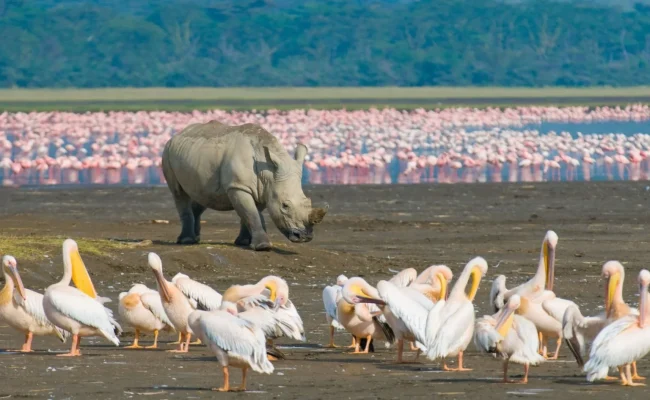
Nakuru National Park is located in the heart of Kenya’s Rift Valley and is one of the most exciting safari destinations
Gorilla Trekking & Zanzibar – From Mountain Gorillas to Zanzibar’s White-Sand Beaches Experience the thrill of tracking endangered mountain gorillas in Uganda before relaxing on Zanzibar’s pristine beaches. Gorilla Hour designs seamless, tailor-made bush-and-beach holidays that combine unforgettable wildlife encounters, luxury accommodation, and the tropical beauty of the Indian Ocean. Gorilla Trekking & Zanizibar is […]
Conservation tariffs are what visitors pay as a contribution to the conservation efforts to ensure the sustainability of the wildlife and ecosystem.
Gorilla Habituation Experience for First-Time Trekkers in Uganda Spend four extraordinary hours with wild Mountain gorillas in Bwindi Impenetrable Forest for the first time. Gorilla Habituation Experience for first time trekkers goes beyond traditional gorilla trekking, its a chance to indulge in Uganda’s exclusive Gorilla Habituation Experience, which offers a once-in-a-lifetime opportunity to spend up […]
Flights connecting Gorilla tracking, Masai Mara, and Serengeti are helping to offer a better East African safari experience
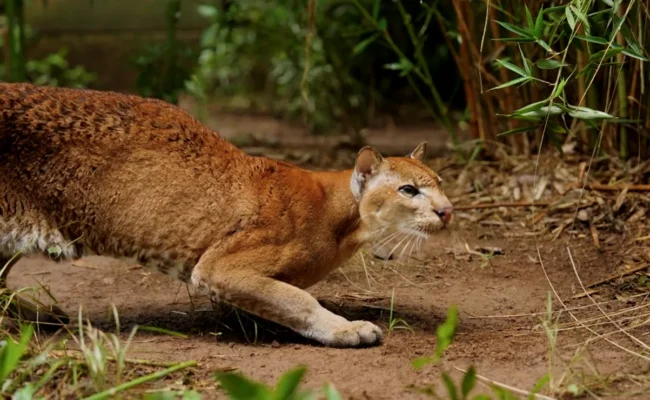
African Golden cat tracking permit costs $350. Golden Cat Tracking is done in Kibale- Uganda. Inquire about this new experiential activity on a Uganda safari